The Influence of Artificial Intelligence on Digital Marketing Strategies: New Opportunities for Filipino Companies
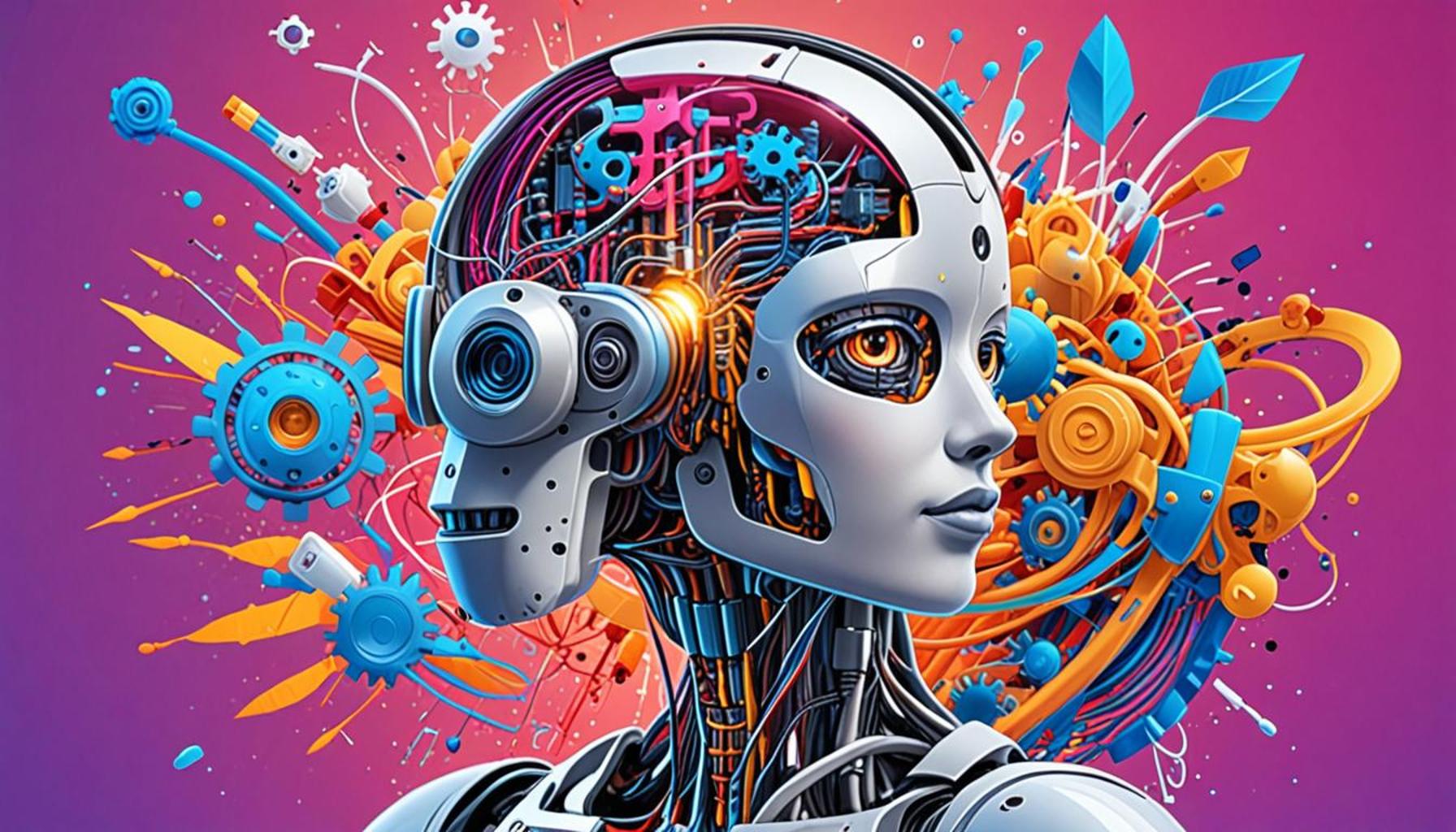
The Impact of AI on Filipino Digital Marketing
As technology evolves, businesses worldwide are increasingly turning to Artificial Intelligence (AI) to enhance their operations and strategies. Particularly in the Philippines, a nation characterized by its vibrant economy and increasing digital engagement, the significance of AI in digital marketing cannot be overstated. By harnessing the potential of AI, Filipino companies can not only keep pace with global competition but also carve out a unique market presence.
One of the primary advantages of utilizing AI in digital marketing is the ability to gather and analyze customer insights. Through sophisticated algorithms, AI can sift through vast amounts of data to uncover valuable trends and patterns regarding consumer preferences and behaviors. For example, a local e-commerce platform can implement AI-driven analytics tools to determine which products are most popular among certain demographics. By utilizing this data, the platform can tailor its marketing campaigns to target specific groups more effectively.
Moreover, the personalization that AI enables goes beyond mere product recommendations. Filipino brands have the opportunity to create customized experiences for consumers by analyzing their past interactions and preferences. A local food delivery service, for instance, can use AI to suggest meals based on a customer’s previous orders, dietary restrictions, and even seasonal influences. This level of personalized engagement not only amplifies customer satisfaction but also fosters brand loyalty, as customers feel more valued and understood.
Another transformative aspect of AI is its capability for automation. For many Filipino companies, repetitive marketing tasks such as email campaigns, social media postings, and customer service inquiries can consume a substantial amount of time. By automating these processes, businesses free up valuable resources, allowing teams to concentrate on more strategic initiatives that can lead to growth and innovation. For instance, chatbot technology can be employed to handle customer queries on social media platforms, providing immediate responses and enhancing customer experience.
Additionally, the Philippines presents a unique opportunity for AI integration through local language processing. As a nation with diverse dialects, using AI to understand and respond in local contexts can create strong emotional connections between brands and consumers. This kind of cultural adaptation not only resonates with consumers but also reflects respect for local traditions and practices.
As AI technology continues to unfold, Filipino businesses that embrace these innovations will likely find themselves at a competitive advantage. However, to successfully navigate this evolving digital landscape, companies must stay informed and adopt best practices surrounding AI implementation. By understanding both the opportunities and challenges presented by AI, Filipino enterprises can position themselves as leaders in the digital marketing arena.
This article aims to explore the multifaceted impacts of AI on Filipino digital marketing strategies, elucidating the new avenues for growth and the practical steps necessary to maximize these advancements. As the landscape continues to shift, staying informed and adaptable will be paramount for success.
YOU MAY ALSO LIKE: Read read another article
Transforming Customer Engagement Through AI
In the digital age, understanding and engaging with consumers has become more intricate than ever. Filipino companies are now faced with an unprecedented opportunity to revolutionize their customer engagement through Artificial Intelligence. With tools designed to glean insights from large data sets, businesses can create more meaningful interactions, enhancing the entire customer journey.
One of the most notable advantages of AI in digital marketing is its ability to facilitate predictive analytics. This technology enables businesses to forecast customer behaviors based on historical data and trends. For instance, a local travel agency can leverage AI to analyze past customer queries and bookings, thereby anticipating future travel trends and preferences. By optimizing marketing efforts around these predictions, the agency can craft timely offers that resonate with potential travelers, ensuring that marketing materials align with customer desires.
Moreover, the growing phenomenon of social media engagement presents a prime avenue for the application of AI. Filipino companies can adopt AI-driven sentiment analysis tools to gauge the feelings and perceptions surrounding their brands online. By understanding how consumers feel about certain products or services, businesses can not only improve their offerings but also tailor their messaging accordingly. This two-pronged approach—enhancing products and refining communications—can lead to a robust online presence and a solidified customer trust base.
As companies integrate AI, a significant focus should be on content generation. AI-powered tools can assist marketers in curating high-quality content that captures attention and fosters engagement. For example, a Filipino fashion brand could capitalize on AI to generate posts that reflect current trends or highlight customer testimonials. By automatically producing tailored content for different audience segments, businesses can maintain an active online presence without continually overextending their creative resources.
Additionally, the implementation of chatbots has been gaining traction in the Philippines, offering a seamless way for businesses to interact with customers. These AI-driven conversational agents can handle inquiries efficiently, managing multiple interactions simultaneously without compromising quality. This means that local companies can provide 24/7 customer support, resulting in enhanced consumer satisfaction. For instance, a startup offering beauty products could use chatbots on their website or social media to answer common questions about skin types or product recommendations, thus improving the overall shopping experience.
The transformative potential of AI in digital marketing is vast and varied. As more Filipino companies explore AI integration, they have the chance to turn data into actionable strategies that not only meet consumer needs but also drive business growth. However, to maximize the benefits, companies must approach AI adoption strategically, aligning their marketing goals with the capabilities offered by these innovative technologies. The future of digital marketing in the Philippines depends on how well businesses can harness AI to elevate their strategies and meet the ever-evolving demands of consumers.
As Filipino companies continue to navigate the competitive landscape of digital marketing, the integration of artificial intelligence (AI) stands out as a transformative force. With AI algorithms capable of analyzing vast amounts of data, businesses can uncover insights about consumer behavior, preferences, and trends that were previously unattainable. This enables marketers to create highly personalized campaigns that resonate with their target audience, ultimately driving engagement and conversions.One significant advantage of AI in digital marketing is its ability to automate repetitive tasks, freeing up valuable time for marketers to focus on strategic initiatives. Processes such as content scheduling, social media posting, and even customer service responses can be streamlined with AI tools, resulting in increased efficiency. Machine learning technologies can also optimize ad spend by predicting which channels and strategies will yield the highest returns, ensuring that marketing budgets are utilized effectively.Furthermore, AI-driven analytics empower companies to measure the performance of their campaigns in real time. This capability allows for rapid adjustments to marketing strategies based on what works and what doesn’t, fostering a culture of constant improvement. Organizations that leverage these insights can remain agile in a fast-paced digital environment, gaining a competitive edge over those that do not adapt.Filipino enterprises are also discovering new avenues for engagement through AI-powered chatbots and virtual assistants. These technologies provide 24/7 customer support, answer queries instantaneously, and enhance user experience by delivering tailored recommendations. Such advancements not only improve customer satisfaction but also create opportunities for cross-selling and upselling products based on individual preferences.As AI continues to evolve, the potential for creating innovative marketing strategies will only grow. Businesses that embrace these technologies now are likely to be the market leaders of tomorrow, harnessing the power of AI to unlock unprecedented opportunities and drive sustainable growth in the dynamic realm of digital marketing. Incorporating AI into digital marketing allows for scalability, targeting, and personalization, aligning perfectly with the needs of Filipino companies looking to strengthen their market presence. By addressing consumer expectations with precision and creativity, AI is paving the way for a more interactive and responsive digital marketing landscape in the Philippines.
ADDITIONAL INSIGHTS: Expand your understanding here
Enhancing Personalization and Targeted Marketing with AI
Personalization has emerged as a key ingredient in successful digital marketing strategies, and AI has made it easier for Filipino companies to deliver tailored experiences to their consumers. With the capabilities offered by AI, businesses can analyze consumer behavior and preferences at an unprecedented scale, thereby crafting personalized marketing strategies that resonate with individual consumers. For example, an online grocery store can utilize AI to recommend products based on previous purchases or browsing history, resulting in increased customer satisfaction and loyalty.
This level of personalization extends to email marketing as well, where AI can segment audiences and deploy tailored messages that cater to specific consumer preferences. Using machine learning algorithms, Filipino companies can determine the optimal time to send emails and the type of content that is likely to engage particular segments of their customer base. For instance, an e-commerce business can analyze data to identify peaks in user activity, ensuring promotional emails land in inboxes when consumers are most likely to engage.
Dynamic pricing is another area where AI can play a crucial role in enhancing marketing strategies. By leveraging real-time market conditions and consumer demand, companies can optimize their pricing strategies. A local airline, for example, can adjust ticket prices based on fluctuating demand and competitor pricing, allowing it to maximize revenue while remaining competitive. This strategic approach not only attracts price-sensitive consumers but also enhances customer satisfaction, as tailored price offerings can create a sense of value.
AI-Driven Market Research
The implementation of AI in digital marketing also has significant implications for market research. Traditionally, gathering consumer insights involved a time-consuming process of surveys and focus groups. However, with AI tools, Filipino companies can now gather and analyze vast amounts of data from various sources, including social media, online reviews, and website interactions. This wealth of information can uncover valuable insights about market trends, customer preferences, and potential pain points.
For example, by utilizing AI algorithms to track user patterns on their websites, a Filipino startup in the food sector can identify which products are gaining traction and which are lagging. This data-driven approach allows companies to make informed decisions on product development, marketing strategies, and inventory management, ultimately leading to increased efficiency and profitability.
Automating Campaign Management
AI enhances the efficiency of digital marketing campaigns through advanced automation. AI-driven platforms enable companies to automate various tasks, from scheduling posts on social media to managing ad placements. This allows marketers to divert their attention to strategic planning and creative development instead of getting bogged down by routine activities. For example, a Filipino tech company could utilize AI tools that automatically optimize online ad placements across multiple platforms, ensuring maximum visibility and engagement without the need for constant manual input.
Furthermore, AI can help in optimizing online advertising expenditure by predicting performance and adjusting bids in real-time. This dynamic approach ensures that marketing budgets are spent wisely, maximizing ROI while minimizing wasted ad spend. By employing such tools, Filipino businesses can ensure that their marketing strategies remain both agile and cost-effective in an increasingly competitive landscape.
The potential for AI in digital marketing strategies is vast and continuously evolving. As more Filipino companies recognize the importance of implementing AI technologies, the ability to create personalized, efficient, and data-driven marketing campaigns will position them to thrive in the dynamic digital marketplace. Exploring these innovative avenues can pave the way for enhanced consumer relations and sustained growth within the Philippine business ecosystem.
SEE ALSO: Click here to read another article
Conclusion
As we have explored, the influence of Artificial Intelligence on digital marketing strategies presents a transformative opportunity for Filipino companies eager to make their mark in an increasingly competitive global marketplace. From enhanced personalization and targeted marketing to automated campaign management, AI empowers businesses to utilize consumer data effectively, thereby delivering tailored experiences that resonate with consumers.
The integration of AI tools into market research enables companies to extract valuable insights and trends, shaping their marketing strategies and ultimately driving growth and profitability. For example, local businesses can leverage AI to pivot in real-time, optimizing their approach based on shifting consumer demands or market conditions. The capacity for dynamic pricing ensures that companies can maintain competitiveness while enhancing customer satisfaction, catering to the nuanced needs of a diverse consumer base.
In this digital era, the reliance on AI is no longer a choice but a necessity for companies that aspire to thrive. Filipino entrepreneurs and marketers must embrace these technological advancements to not only stay relevant but also to cultivate deeper customer relationships and brand loyalty. The journey into AI-driven digital marketing is filled with potential, offering pathways to innovation and sustained growth.
As Filipino companies continue to explore and implement these new strategies, embracing the capabilities of AI will undoubtedly unlock new avenues for success. The future of digital marketing is here, and it beckons businesses to adapt and evolve in order to harness its full power.