The Impact of Augmented Reality Technologies on Digital Marketing in the Philippines: Innovations and Practical Examples
The Rise of Augmented Reality in Digital Marketing
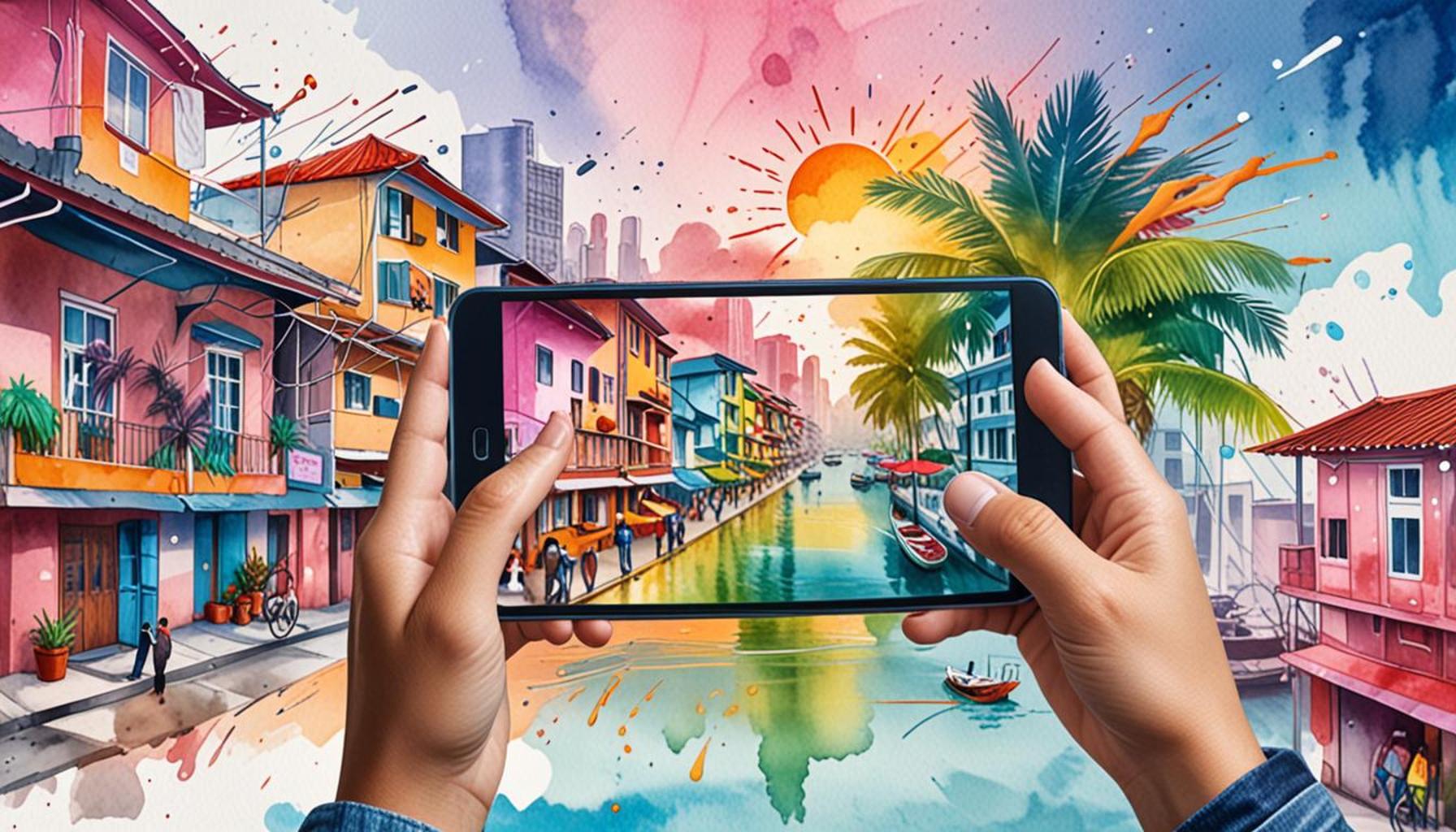
The evolution of digital marketing is not merely a trend; it represents a significant shift in how businesses engage with consumers. Among the most notable advancements are augmented reality (AR) technologies, which have become essential tools in the marketer’s arsenal. In the Philippines, brands are increasingly adopting AR to create more engaging and memorable customer interactions. This leap into the realm of AR doesn’t just enhance visibility; it enables companies to forge a deeper connection with their audience.
Understanding Augmented Reality
But what exactly is augmented reality? Simply put, it is a technology that overlays digital content—such as images, sounds, or information—onto the real world through devices like smartphones or AR glasses. This immersive experience captivates users, allowing them to interact with products or services in ways traditional marketing methods cannot achieve.
Unique Opportunities Presented by AR
AR technologies unlock several innovative solutions for marketers. Some prominent examples include:
- Interactive product demonstrations: Imagine a consumer wanting to buy a new sofa. With AR, they can scan their living room with their smartphone to visualize how the sofa will look in their space before making a purchase decision. This reduces uncertainty and boosts confidence in their buying choice.
- Branded games and experiences: The popularity of gamification cannot be overstated. Brands like Globe Telecom have created interactive games that not only entertain users but also promote their services. Such approaches increase engagement and foster brand loyalty as consumers associate enjoyment with the brand.
- Immersive advertising campaigns: Companies can seamlessly blend digital elements into the physical world, crafting narratives that resonate deeply with consumers. A notable case involves local fashion brands that have integrated AR into their marketing strategies, allowing customers to try on clothes virtually, thus enhancing the shopping experience.
Local Success Stories
The potential of AR in the Philippine market is evident in various local campaigns. Consider the recent partnership between a prominent travel agency and an AR developer, where travelers can visualize their holiday destinations before booking. This initiative not only showcases the beauty of the locations but also significantly reduces the risk associated with travel plans. Such endeavors are setting a benchmark for others to follow, revealing that creativity combined with practical applications leads to awe-inspiring marketing tactics.
Future Implications
As consumers increasingly desire deeper interactions, AR is not just a passing innovation but a vital part of future marketing strategies. The transformative impact of this technology not only enhances customer experiences but also promises to redefine business strategies across the board. For brands in the Philippines embracing this change, the future looks vibrantly engaging and filled with potential.
In conclusion, as augmented reality continues to evolve, its presence in the marketing landscape will undoubtedly grow. Businesses that harness the power of AR are likely to stand out from the competition, establishing themselves as innovative leaders in a fast-changing digital environment.
SEE ALSO: Click here to read another article
Harnessing Augmented Reality for Customer Engagement
As digital marketing continues to evolve in the Philippines, the integration of augmented reality (AR) has sparked a wave of innovation that fundamentally transforms how brands interact with consumers. The heart of AR’s effectiveness lies in its ability to create immersive experiences that allow users to engage with products in a more hands-on manner. This shift is particularly important in a market as dynamic as the Philippines, where consumer preferences are rapidly changing and businesses must adapt to maintain relevance.
The Power of Personalization
One of the most compelling advantages of AR technologies is the ability to offer personalized experiences. Filipino consumers, who are increasingly data-savvy and mobile-oriented, appreciate interactions that feel tailored to their needs. For instance, brands can use AR features to allow users to customize products—from choosing colors to modifying styles—providing a level of engagement that traditional marketing cannot replicate.
Moreover, AR can transform product recommendations into an engaging journey. For example, a local beauty brand could develop an app that utilizes AR to let users apply makeup virtually, trying on different products from the comfort of their homes. Customers can mix and match shades, aligning with their individual tastes, which significantly enhances their shopping experience and encourages purchase decisions.
Enhancing Loyalty Programs
Another area where AR technologies shine is in enhancing loyalty programs. Traditional loyalty systems often feel passive, but integrating AR can change that narrative. Imagine a situation where participants in a loyalty program can earn rewards by completing AR-based challenges or games. For instance, a popular food chain could develop an app that allows loyal customers to “collect” virtual tokens displayed at physical locations through AR-enabled features. This interactivity not only boosts customer retention but also encourages foot traffic to stores.
Examples of AR in Action
Across the Philippines, several brands have successfully harnessed AR technologies to drive innovation and customer engagement. Here are a few notable examples:
- SM Supermalls: In an effort to enhance the shopping experience, SM Supermalls launched an AR application that allows shoppers to find promotions and explore fun activities within the mall. By scanning specific markers around the venue, customers can unlock exclusive deals and experiences.
- Ben & Ben’s Merch: The beloved Filipino band created a unique AR experience for their merchandise. Fans can scan album covers with their phones, which then animate music videos or exclusive behind-the-scenes content, enhancing the emotional connection to their favorite songs.
- Colgate: The toothpaste brand effectively utilized AR in their promotional campaigns, allowing customers to visualize the results of their oral hygiene. Users can interact with an AR-enabled toothbrush that shows how to achieve brighter teeth, bridging the gap between user experience and product benefit.
These examples highlight not only the innovative spirit of Filipino brands but also the vast potential of AR technologies in reshaping the landscape of digital marketing. As AR continues to gain traction, businesses that embrace this technology will likely find themselves at the forefront of customer engagement, carving out a distinct niche in an ever-competitive marketplace.
The Evolution of Augmented Reality in Marketing
In recent years, the Philippines has emerged as a fertile ground for augmented reality (AR) technologies, especially within the digital marketing landscape. One of the most fascinating innovations is the use of AR filters on social media platforms. Brands are leveraging these interactive elements to engage customers in a way that traditional marketing methods simply cannot match. For instance, local cosmetic brands have developed AR tools that allow users to virtually try on products, significantly enhancing the shopping experience. This not only increases consumer satisfaction but also minimizes the risk of buyer remorse.
Enhancing Customer Engagement
Augmented reality technologies offer unique opportunities for brands to captivate their audience. Businesses are now able to create immersive advertisements that blend the digital and physical worlds. A notable example is the Philippine tourism sector, which has begun utilizing AR to promote landmarks with interactive experiences that tell stories and provide historical context. This innovative approach not only boosts the effectiveness of marketing campaigns but also drives foot traffic to physical locations, stimulating the economy.Similarly, retail brands are tapping into AR for improved customer interaction. For example, furniture companies allow potential buyers to visualize how a piece of furniture would look in their own homes through AR apps. This experience is not only engaging but also bridges the gap between online shopping and physical stores, paving the way for a seamless shopping journey.
Data-Driven Marketing with AR Integration
The integration of augmented reality in digital marketing strategies is not just about creating appealing content; it’s also about gathering actionable data. Brands can track how users interact with AR features, providing invaluable insights into consumer behavior. This data facilitates targeted marketing strategies that resonate with specific audiences, ensuring higher conversion rates. As AR technologies advance, they strengthen the bridge between digital marketing and real-world applications, indicating a promising future for businesses willing to innovate. Companies that embrace this technology can expect not only to enhance their brand image but also to cultivate a loyal customer base that values modern, interactive experiences.
| Category | Advantages |
|---|---|
| Customer Engagement | Offers immersive experiences that boost consumer satisfaction. |
| Data Insights | Enables brands to gather actionable data for targeted marketing. |
The innovative application of AR technologies is transforming how brands communicate and connect with consumers in the Philippines, marking a significant advancement in the digital marketing arena.
YOU MAY ALSO LIKE: Read read another article
Transforming the Retail Landscape
The rise of augmented reality (AR) technologies is not just a trend in digital marketing but a transformative force reshaping the retail landscape in the Philippines. Retail brands are beginning to recognize the potential of AR to create captivating experiences that draw consumers in and encourage deeper interaction with their products. The ability to visualize products in real-time and in personal spaces allows businesses to bridge the gap between online convenience and in-store engagement.
Virtual Try-Ons and Enhanced Product Visualization
One of the most significant innovations in AR for retail is the concept of virtual try-ons. This technology enables customers to experience products virtually before making a purchase. For example, a leading fashion retailer in the Philippines deployed an AR application that allows shoppers to see how different clothing items would appear on them. By simply pointing their smartphones at a mirror or using a fitting room equipped with AR technology, users can virtually try on outfits, virtually dressing themselves in various styles and looks. This feature particularly appeals to the younger demographic, who are always on the lookout for unique and convenient shopping experiences.
Moreover, AR facilitates enhanced product visualization for furniture brands. With a simple scan using a smartphone, customers can see how a piece of furniture fits into their homes, eliminating the uncertainty that often accompanies online purchases. The Philippines’ growing interest in online shopping has made this a crucial component in reducing returns and increasing customer satisfaction.
Interactive Marketing Campaigns
AR also paves the way for innovative marketing campaigns that go beyond traditional methods. Brands are creatively integrating AR into their promotional strategies, creating engaging experiences for customers. For instance, a famous local beverage brand launched a seasonal campaign using AR, where customers could scan promotional materials to access interactive games or unique visual content tied to their products. This dual interaction not only fosters brand loyalty but also creates shareable moments that encourage users to spread the word through their social networks, amplifying the brand’s reach.
Challenges and Future Prospects
Despite the exciting advancements, implementing AR in marketing does come with its challenges. The technology requires a substantial investment in development and maintenance, which might deter smaller enterprises from trying it out. Moreover, there is also the necessity of educating consumers on how to utilize these systems effectively since AR remains relatively new in many markets, including the Philippines.
Nevertheless, as mobile penetration and internet connectivity continue to improve in the country, the prospects for AR in digital marketing are undeniably bright. For instance, the Philippine government’s push toward digital transformation creates an encouraging environment for businesses that are willing to embrace this technology.
In addition, the younger generation, who are avid users of technology, are becoming the main consumer base in the Philippines. As more brands harness the power of AR to meet the nuanced demands of these consumers, we can expect a rapid evolution in the landscape of digital marketing. This change is prompting businesses to explore unique products and branding strategies that resonate with tech-savvy consumers, cementing AR as a vital component of future marketing endeavors.
Through continuous exploration and adoption of augmented reality technologies, Filipino brands not only stand to enhance their customer engagement but also position themselves as pioneers in the industry, adept at navigating the digital landscape’s evolving dynamics.
RECOMMENDED: Check out this similar article
Looking Ahead: The Future of AR in Digital Marketing
In summary, the introduction of augmented reality technologies has not only revolutionized consumer interactions but has also prompted a significant shift in the strategies employed by brands in the Philippines. By enhancing customer experiences through innovations such as virtual try-ons and interactive marketing campaigns, businesses are positioned to attract tech-savvy consumers who seek personalized and engaging shopping journeys. The growing adaptation of AR technologies suggests a promising future for digital marketing in the region, offering a competitive edge to those willing to invest in the technology.
However, it is essential to acknowledge the hurdles that accompany this tech-driven transformation. While larger corporations may have the resources to implement AR solutions effectively, smaller businesses could face challenges in adoption and consumer education. As mobile connectivity continues to expand, the gap may close, allowing a wider range of enterprises to explore AR’s potential.
Ultimately, as Filipino brands evolve and adapt their strategies to incorporate these innovative technologies, the digital marketing landscape will undoubtedly continue to change. Staying updated on industry trends and consumer preferences remains vital for any brand aiming to leverage AR effectively. For marketers and entrepreneurs, the message is clear: embracing augmented reality technologies is not just an option but a necessity for staying relevant in an ever-evolving marketplace.
As we look to the future, it will be fascinating to see how AR continues to influence consumer behavior and marketing strategies, paving the way for a new era of digital engagement in the Philippines.