The Impact of Mobile Marketing on the Buying Behavior of Filipinos
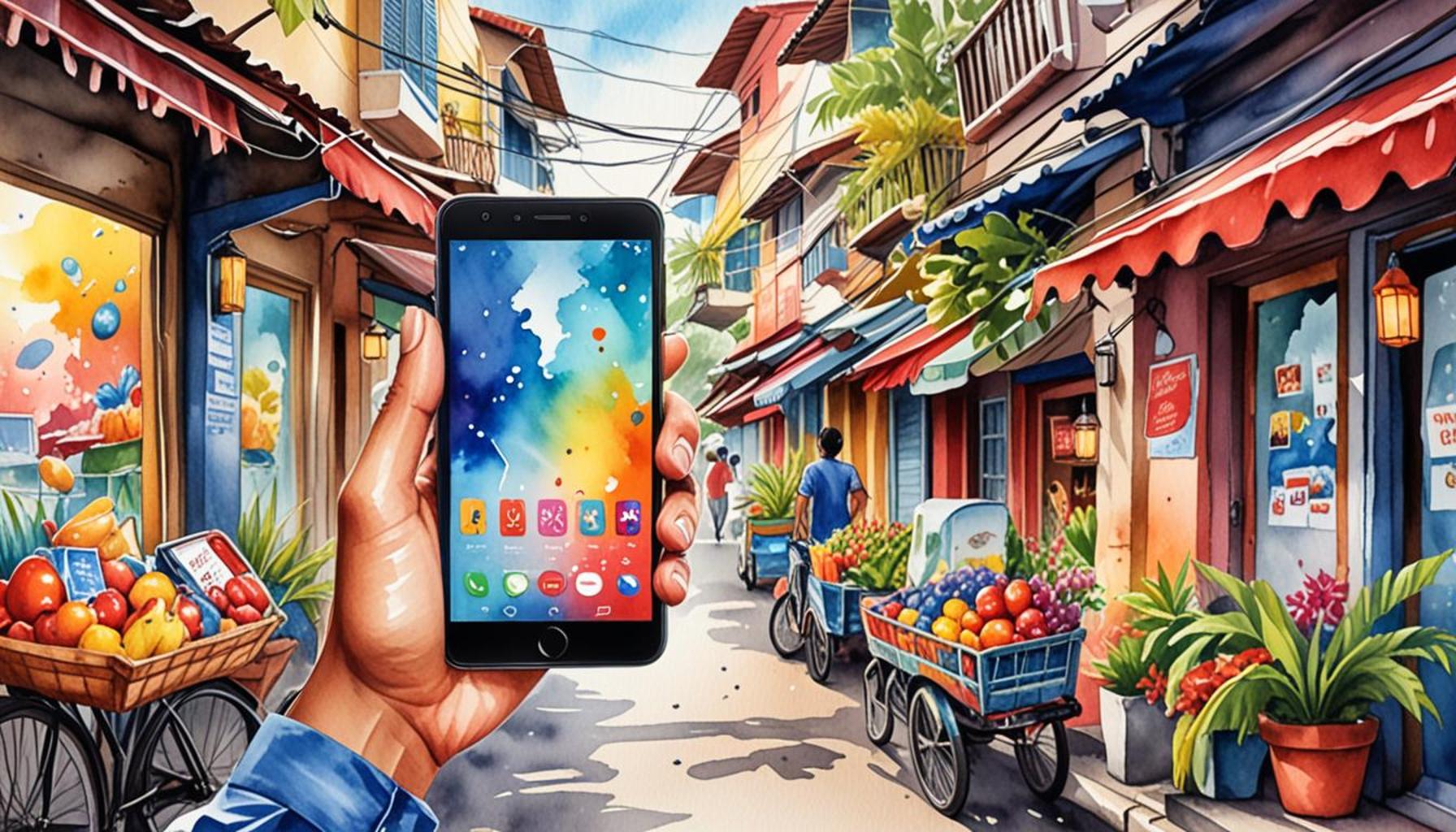
The Growing Influence of Mobile Marketing
In the contemporary landscape of consumerism, technology acts as both a catalyst for innovation and a gateway for businesses to engage with their customers. In the Philippines, the fact that over 80% of the population owns a smartphone marks a significant turning point in how brands reach their audiences. With this staggering percentage, it becomes evident that mobile marketing is not just a trend; it has become an essential strategy for businesses aiming to thrive in a highly competitive market.
Accessibility and Consumer Behavior
One of the key aspects contributing to the rise of mobile marketing is accessibility. The convenience of shopping through mobile devices has transformed the Filipino buying behavior. Consumers are no longer constrained by time or location; they can browse through e-commerce sites during their daily commutes or even while relaxing at home. This accessibility has led to a notable increase in impulsive buying, with people often making unplanned purchases simply because they can. For instance, platforms like Lazada and Shopee frequently leverage flash sales and time-sensitive promotions, creating a sense of urgency that further drives sales.
The Role of Social Media
Social media influence plays a crucial role in shaping consumer preferences and buying habits in the Philippines. Platforms such as Facebook and Instagram have evolved from mere social networking sites to powerful marketing tools. Filipino consumers are heavily engaged, using these platforms to discover new products, read reviews, and interact with brands. The engaging content shared by businesses—such as vibrant photos and interactive posts—encourages users to share their experiences, thereby increasing product visibility. Influencer marketing is likewise flourishing; local influencers often promote products to their followers, leading to increased trust and, consequently, higher conversion rates.
Innovative Payment Solutions
Another factor driving the shift towards mobile marketing is the rise of payment innovations such as mobile wallets and online payment systems. With the introduction of platforms like GCash and PayMaya, transactions have become not only faster but also more secure, promoting consumer confidence when making purchases online. These payment solutions are particularly appealing to younger generations who prefer digital transactions over cash payments. The ease with which consumers can purchase products using just a few taps on their smartphones further cements the role of mobile marketing in everyday life.
Conclusion
The interplay of these factors is reshaping the retail environment in the Philippines, leading to a unique and dynamic shopping culture. Filipino consumers are increasingly responsive to targeted ads and promotions delivered directly to their devices, which signifies a substantial departure from traditional shopping methods. For businesses looking to capitalize on this trend, understanding the preferences and behaviors of mobile-savvy Filipinos is crucial. The exploration of mobile marketing elements in this article not only highlights its influence on consumer behavior but also emphasizes the vast opportunities available for brands ready to engage in this ever-evolving landscape.
RECOMMENDED: Check out this similar article
Shifting Preferences in Retail
The impact of mobile marketing on the buying behavior of Filipinos extends beyond mere accessibility; it signifies a fundamental shift in retail preferences. Filipino consumers are increasingly gravitating towards brands that integrate mobile marketing strategies into their overall business model. This transformation is evident across various demographics as people engage with brands differently than they did just a few years ago. With the proliferation of mobile technology, traditional shopping methods are giving way to a new, more interactive consumer experience.
Engaging Through Personalization
Personalization is another cornerstone of effective mobile marketing. Brands are taking note of the cultural nuances and preferences of their Filipino audience, incorporating these elements into targeted advertising campaigns. Marketers are utilizing data analytics to understand consumer behavior better, allowing them to craft personalized messages that resonate with potential buyers. For instance, promotions during significant local events such as the Email Pasalubong Festival or festive seasons like Christmas reflect an understanding of Filipino tradition, enhancing engagement and fostering brand loyalty.
The Rise of Mobile Shopping Apps
The accessibility of smartphones has also contributed significantly to the surge in mobile shopping apps. In the Philippines, applications like Shopify, GrabMart, and Foodpanda have transformed the shopping experience, facilitating everything from food delivery to retail shopping at the fingertip convenience of users. These apps ensure that Filipinos can shop when they want, how they want, without the traditional hassles of lining up at stores. The surge in these mobile platforms has also been supplemented by clever marketing campaigns, which allow businesses to directly reach their audience through push notifications and in-app promotions.
A Shift in Consumer Trust
With the power of reviews and ratings amplified by mobile use, trust in brands is evolving. Filipino consumers are more inclined to follow recommendations from their peers or trusted figures in the community over traditional ads. User-generated content has become a trusted source, compelling brands to encourage happy customers to share their experiences on social media. As a result, reviews, testimonials, and influencer marketing are pivotal in enhancing brand credibility, influencing the decision-making process of potential buyers. A study from the Philippine Center for Digital Narratives pointed out that nearly 72% of Filipinos consult online reviews before making a purchase, highlighting how digital footprints and word-of-mouth marketing shape shopping behavior.
Creating a Sense of Community
Mobile marketing in the Philippines extends beyond sales; it is about fostering a sense of community. Many brands leverage community-driven marketing strategies, inviting consumers to participate in brand-related activities online. This sense of belonging drives engagement and loyalty. Campaigns focused on local issues or social causes resonate well with Filipinos, making customers feel they are part of a larger movement rather than just a transaction. This shift demonstrates the evolving relationship between brands and consumers, emphasizing that it’s no longer just about selling products but creating connections. As mobile marketing continues to grow, the importance of building these relationships will only intensify.
The continual exploration of these mobile-driven changes reveals their profound impact on how Filipinos shop. By understanding shifting preferences, brands can strategically position themselves to prioritize consumer engagement and ultimately derive greater sales from their marketing efforts.
| Factors Influencing Buying Behavior | Mobile Marketing Strategies |
|---|---|
| Enhanced User Experience | Implementing user-friendly mobile apps and websites to create a seamless shopping experience. |
| Personalized Promotions | Using data analytics to offer tailored promotions based on user behavior and preferences. |
| Instant Accessibility | Leveraging mobile devices for immediate access to online stores, enabling on-the-go shopping. |
| Social Media Engagement | Utilizing social platforms to connect with customers and encourage sharing of products. |
Mobile marketing plays a pivotal role in shaping the buying behavior of Filipinos. With a notable increase in smartphone penetration, consumers are more inclined to engage with brands through mobile devices. According to recent studies, over 60% of Filipinos prefer mobile shopping due to its convenience and accessibility. One key aspect of this trend is the potential for immediate feedback through mobile marketing campaigns. Consumers can make swift purchasing decisions based on real-time reviews, promotions, and recommendations from social networks.Moreover, as brands adopt more personalized mobile marketing strategies, including tailored notifications and exclusive offers, they effectively capture the attention of potential buyers. This tactic not only enhances customer engagement but also fosters brand loyalty, leading to increased sales and an improved overall shopping experience. As mobile marketing continues to evolve, businesses must adapt their strategies to meet the expectations of the modern consumer, facilitating a deeper understanding of the Filipino market’s unique dynamics.
SEE ALSO: Click here to read another article
Changing Payment Methods
The emergence of mobile marketing has catalyzed a profound transformation in the purchasing landscape of Filipinos, particularly through the adoption of mobile payment methods. Traditional cash transactions have been gradually overshadowed by digital payment solutions such as Gcash and PayMaya. These platforms not only facilitate seamless transactions but also enhance the overall shopping experience by offering discounts and rewards that entice shoppers. According to a report by Bangko Sentral ng Pilipinas, mobile payments in the Philippines increased markedly over the years, with a staggering 51% of consumers utilizing mobile wallets in 2021. The convenience of making payments with just a few taps on a smartphone has become a powerful driver in encouraging spontaneous purchases.
The Role of Social Media in Mobile Marketing
Social media platforms are remarkably intertwined with mobile marketing strategies, significantly influencing the buying behavior of Filipinos. The growing popularity of apps like Facebook and Instagram has emerged as a virtual marketplace where consumers engage and discover products. With features like shop tabs and sponsored posts, brands harness the potential of social media to reach targeted audiences effectively. A 2019 survey revealed that nearly 80% of Filipinos browse social media primarily to find product recommendations, reinforcing the idea that an active social media presence has become essential for brands to thrive. Furthermore, viral campaigns and TikTok challenges have proven to be effective in converting casual users into buyers, demonstrating the potency of peer influence in today’s mobile-driven market.
The Power of Instant Gratification
Access to a plethora of information through mobile devices has fueled a culture of instant gratification among Filipino shoppers. With just a few clicks, consumers can now compare prices, search for reviews, and explore alternatives in real time. This immediacy can significantly alter shopping behavior, where indecisiveness has rapidly transformed into urgency. The Philippine Statistics Authority reported that e-commerce transactions surged by 37% in 2020, largely driven by consumers longing for prompt satisfaction. Retailers are now compelled to prioritize speed in their fulfillment processes—offering services like same-day delivery or click-and-collect options to cater to this evolving demand and keep consumers engaged.
Influencing Trends through Mobile Advertising
The dynamic world of mobile advertising has proven instrumental in shaping shopping trends among Filipinos. Brands are now investing heavily in targeted ads that leverage location data and behavioral insights to deliver relevant promotions directly to consumers’ smartphones. For instance, local Filipino businesses often utilize geolocation to trigger offers when potential customers are in proximity to their stores. According to a study by Statista, mobile advertising expenditures in the Philippines are projected to reach over $1 billion by 2025, reflecting a noteworthy shift towards digital tactics that resonate with a tech-savvy audience. Such strategies not only drive foot traffic to brick-and-mortar stores but also cultivate brand awareness and loyalty in a competitive market.
As these mobile marketing trends unfold, they illustrate an ongoing revolution in the buying behavior of Filipino consumers. By adapting to this rapidly changing landscape, brands can foster stronger connections with their audience and enhance their overall market presence, making it essential for businesses to stay ahead of the curve.
SEE ALSO: Click here to read another article
Conclusion
In summary, the rise of mobile marketing has undeniably reshaped the buying behavior of Filipinos, creating a paradigm shift that redefines how consumers interact with brands. The penetration of mobile payment solutions like Gcash and PayMaya has streamlined purchasing processes, making transactions not only quicker but also more rewarding. This evolution is evidenced by the significant uptake in mobile payment usage, which surpassed 51% in recent years. Moreover, the influence of social media cannot be overstated; platforms such as Facebook and Instagram have become vital arenas for product discovery, with nearly 80% of Filipinos turning to these channels for recommendations.
The culture of instant gratification further amplifies this mobile marketing revolution, compelling retailers to enhance their services to meet the demands of increasingly impatient consumers. This urgency correlates with a significant 37% jump in e-commerce transactions, highlighting a shift towards immediate satisfaction. Additionally, the strategic use of mobile advertising allows brands to target potential consumers with personalized promotions, driving foot traffic and nurturing deeper brand loyalty. As mobile advertising investments are projected to skyrocket beyond $1 billion by 2025, it is evident that this trend will continue to be a driving force in the retail landscape.
To remain competitive, businesses must embrace these changing dynamics, adopting innovative strategies that align with the preferences of a tech-savvy audience. As Filipino consumers increasingly rely on their mobile devices throughout their shopping journey, the implications for brands are both profound and necessary to heed. Ultimately, understanding the ongoing impact of mobile marketing is essential for fostering lasting connections with today’s digitally engaged shoppers.