How Intellectual Property Laws Are Shaping the Future of Digital Content

The Importance of Intellectual Property Laws
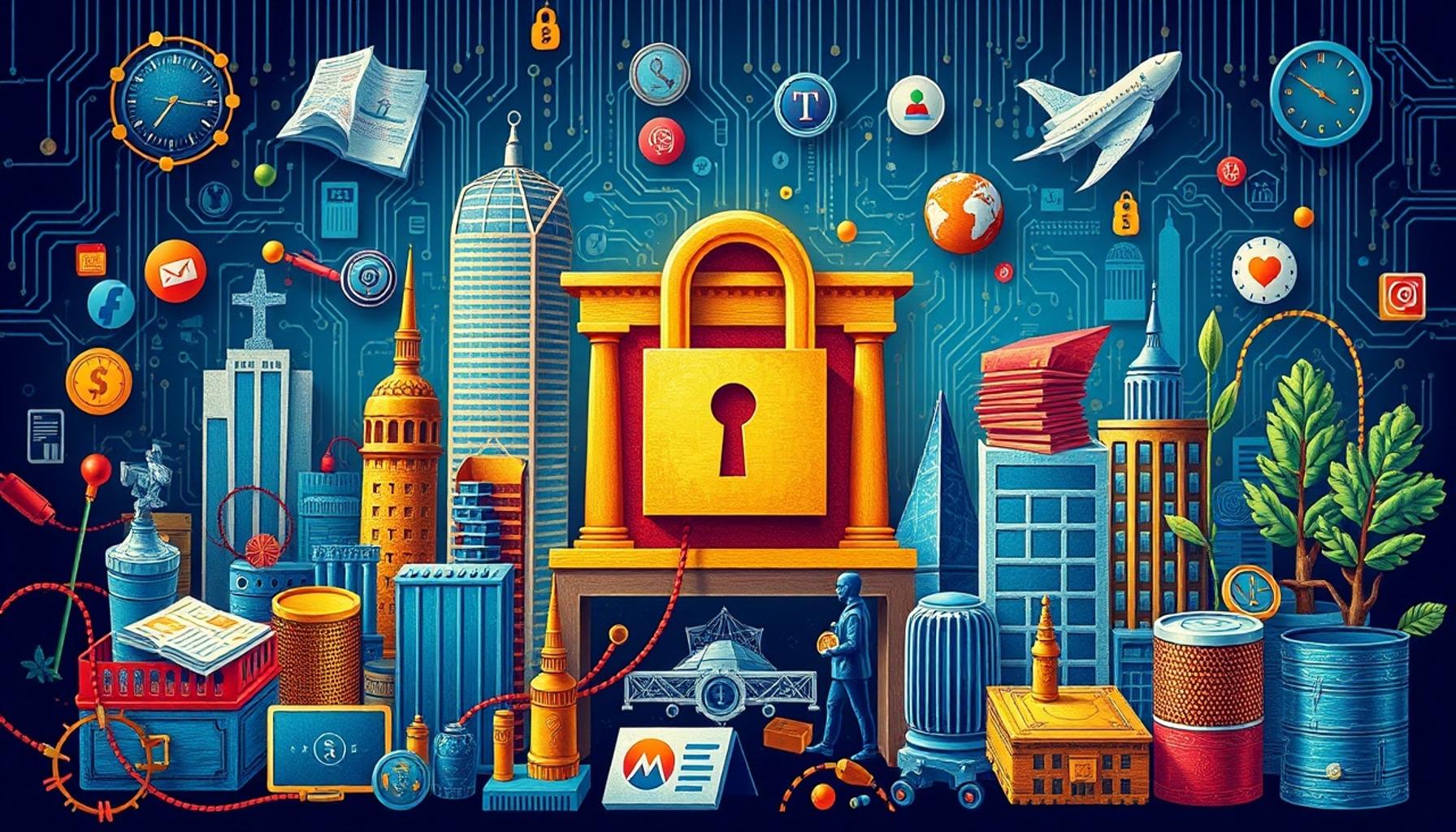
In today’s rapidly evolving digital landscape, the need for robust protection of creative works has become increasingly paramount. As content creators, businesses, and consumers interact in a diverse online environment, having a comprehensive understanding of intellectual property (IP) laws is no longer optional but essential. These laws play a crucial role in safeguarding original works from unauthorized use while also encouraging the innovation and evolution of digital content.
To grasp the significance of IP laws, consider their impact on various forms of digital content:
- Music: The music industry extensively relies on licensing agreements and copyright laws to manage distribution and streaming. For instance, platforms like Spotify and Apple Music have intricate licensing deals that dictate how artists receive payment per stream. These agreements ensure that composers and performers are compensated fairly for their work, fostering a healthy ecosystem where new music can be created and shared.
- Art: Digital artists are increasingly using copyright and trademark protections to secure their works, particularly in the rapidly growing landscape of Non-Fungible Tokens (NFTs). When an artist mints an NFT, they not only establish proof of ownership but also retain certain rights to their creations. This legal framework helps artists ensure that their digital artworks are not misused or exploited without consent.
- Software: In the tech realm, patents are crucial in protecting innovative technologies. For example, a software company that develops a unique algorithm can file for a patent, safeguarding their invention from being copied by competitors. This protection promotes competitive advancements in programming, driving the tech industry forward while rewarding innovation.
A solid understanding of IP laws empowers creators to:
- Protect their intellectual property from infringement: By registering copyrights or patents, creators can assert their rights and take legal action against unauthorized use.
- Monetize their work effectively: With the right protections in place, creators can explore various monetization strategies, such as licensing their work, selling prints, or offering subscription models.
- Navigate the legal landscape to avoid disputes: Familiarity with IP laws enables creators to understand their rights and obligations, helping to prevent costly legal battles.
As we delve deeper into the relationship between IP laws and digital content, it becomes clear that these regulations not only protect individual creators but also contribute to a flourishing creative economy. By fostering an environment that values and safeguards innovation, IP laws help shape the future of creativity and commerce in the digital sphere, paving the way for a diverse range of artistic and technological endeavors.
DIVE DEEPER: Click here to uncover more about the future of finance
The Role of Intellectual Property Laws in Protecting Digital Content
Understanding the intricate landscape of digital content protection is essential for navigating through the complexities of intellectual property (IP) laws. These laws serve a vital purpose not only in safeguarding individual creations but also in fostering a diverse and creative environment where innovation can thrive. As we explore how IP laws are shaping the future of digital content, it is crucial to consider the various traditional and emerging forms of IP protection that influence creators and businesses alike.
At the heart of IP laws are three primary forms of protection: copyrights, trademarks, and patents. Each serves a distinct function while interlinking to create a comprehensive shield for various content types, from music and art to software and branding.
Copyrights: Protecting Artistic Expression
Copyrights serve as the cornerstone of IP protection for creators in the digital realm. By granting creators exclusive rights to reproduce, distribute, and display their original works, copyright laws ensure that artists maintain control over how their creations are used. As digital platforms proliferate, the challenge of copyright infringement becomes more pronounced. For example, social media allows users to share content with the click of a button, but this ease of sharing can lead to unauthorized use of copyrighted material.
To counteract these challenges, content creators can utilize copyright registration, which strengthens their ability to enforce rights in case of infringement. This means that if someone were to utilize their work without permission, registered copyright holders are better positioned to take legal action, thus deterring potential violations.
Trademarks: Protecting Brand Identity
In a digital space saturated with content, establishing a strong brand identity is crucial for businesses and creators. Trademarks serve to protect names, logos, and symbols that distinguish one entity from another, ensuring that consumers can identify the source of a product or service. For instance, when a new podcast emerges, the creator may choose to trademark its name and logo to prevent others from using similar branding that could confuse listeners.
This protection is especially important in a global marketplace where content can easily cross borders. Strong trademark protections empower creators to build loyal audiences and secure their reputation, propelling their digital ventures forward.
Patents: Safeguarding Technological Innovations
The protection of inventive technologies through patents is particularly significant in sectors like software development and app creation. A software developer who engineers an innovative application can file for a patent, which grants them exclusive rights to that invention for a set period. This not only prevents competitors from using the same technology without permission but also encourages further research and innovation.
- Encouragement of innovation: Patents incentivize inventors to share their ideas, knowing they will reap the benefits of their work.
- Protection of market identity: Unique technological developments can distinguish a company from its competitors, strengthening their market presence.
- Legal recourse: Patent holders can take action against piracy and unauthorized use, securing their investments in research and development.
As digital content continues to evolve, the role of intellectual property laws becomes increasingly significant in ensuring that creators’ rights are respected and their works are protected. By understanding and harnessing these laws, individuals and organizations can navigate the digital landscape more effectively, laying the groundwork for a thriving creative economy.
LEARN MORE: Click here to delve into the impact of AI on the workforce
The Impact of Intellectual Property Laws on Content Distribution and Consumption
As the digital landscape continues to broaden with the advent of new technologies and platforms, the impact of intellectual property (IP) laws on content distribution and consumption cannot be overstated. These laws not only affect how content is protected but also influence the methods by which consumers access and engage with digital material.
The Rise of Creative Commons and Open Licensing
In response to the challenges posed by traditional copyright protection, many creators are turning to alternatives like Creative Commons licenses. These licenses provide a flexible framework that allows creators to specify how their works can be used by others. For instance, a musician might release a song under a Creative Commons license that permits free sharing and adaptation, provided credit is given. This approach empowers creators to share their work widely while retaining specific rights, encouraging a collaborative digital culture.
The use of such licenses is reshaping content distribution. They enable creators to tap into a larger audience without the constraints of traditional copyright, fostering an environment of collaboration and innovation. Creative Commons, therefore, not only enhances access to digital content but also broadens the potential for creators to gain recognition and new revenue streams through alternative channels like performance royalties or merchandise sales.
Digital Rights Management (DRM) and Its Consequences
As the consumption of digital content rises, so too has the implementation of Digital Rights Management (DRM) technologies. DRM is used by publishers and content creators to control how digital media is used and distributed. For example, eBooks often come with DRM restrictions that prevent sharing or transferring files between devices. This technology aims to protect against piracy; however, it also raises questions about consumer rights and access to purchased content.
The impact of DRM on consumer behavior is significant. While it provides security for content creators, it can frustrate users who seek more flexibility in how they engage with their purchases. This dichotomy can drive consumers toward alternative platforms that do not enforce such strict limitations, potentially affecting the revenue streams of content creators in the long run.
Globalization of Digital Content and IP Laws
The globalization of digital content presents both opportunities and challenges under IP laws. As content crosses borders more easily, a harmonized approach to IP protection becomes essential. Different countries have varying IP regulations, creating a complex environment for creators who wish to distribute their work internationally. For instance, while one country may offer robust copyright protection, another may have lax enforcement measures, leading to potential abuse.
- International Treaties: Agreements like the Berne Convention and the TRIPS Agreement aim to standardize copyright protections across member countries, promoting fair use and sharing of content globally.
- Cross-border E-commerce: As digital marketplaces expand, clear IP protections are necessary to build trust with consumers and creators, ensuring that both intellectual property rights and consumer interests are safeguarded.
- Challenges of Enforcement: Enforcement of IP rights in a global context remains problematic, with varying legal standards and the difficulty of tracking infringements across jurisdictions complicating creators’ efforts.
In navigating this global landscape, creators and businesses must stay informed about the evolving nature of intellectual property laws and their implications on digital content. By leveraging these laws appropriately, they can maximize their reach and impact, ultimately contributing to a healthier, more dynamic digital economy.
DISCOVER MORE: Click here to unlock the secrets of trendy shopping
Conclusion
In summary, intellectual property laws are playing a pivotal role in shaping the future of digital content by balancing the needs of creators, consumers, and the evolving marketplace. As we have seen, tools such as Creative Commons licenses are empowering artists and authors to share their work more freely, fostering a culture of collaboration that can lead to innovative new forms of expression. Meanwhile, the implementation of Digital Rights Management (DRM) technologies highlights the ongoing struggle between protecting creators’ rights and ensuring consumer access and flexibility, which continues to influence the choices made by digital audiences.
The globalization of digital content further complicates the landscape, necessitating a more harmonized approach to IP laws across borders. As creators seek to reach international markets, understanding the nuances of IP protections—alongside the challenges of enforcement—will be essential for maximizing their creative potential while safeguarding their interests.
Moving forward, it is clear that as digital content continues to evolve, so too will the frameworks governing it. Staying informed about these changes will be crucial for creators and consumers alike. By recognizing the intricate interplay between intellectual property laws and digital content distribution, all stakeholders can better navigate this dynamic environment, ultimately leading to a richer and more diverse digital ecosystem that respects both creativity and consumer rights.