The Role of 5G Networks in the Evolution of Live Event Streaming
Transforming Live Experiences
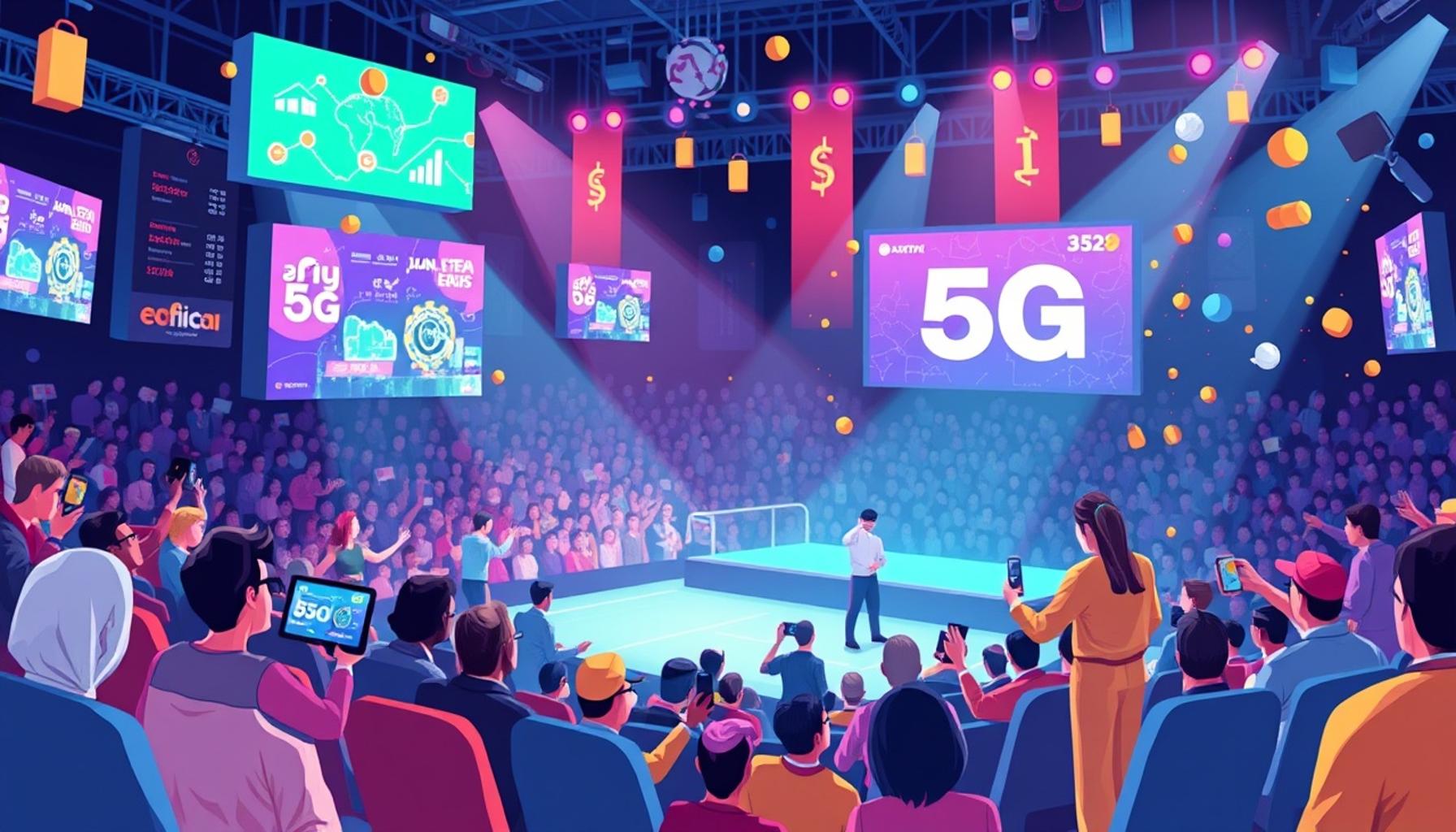
The introduction of 5G networks marks a revolutionary phase in the way audiences engage with live events. With download speeds up to 100 times faster than previous generations, streaming high-definition content has never been more fluid or immersive. Imagine being at a sports stadium or concert venue, where you can share your experience in real-time without any lag or interruptions. The transition to 5G is not merely a step forward in technology; it’s a complete transformation in the consumer experience, reshaping how we perceive and enjoy entertainment.
To better understand the impact of 5G on live event streaming, let’s explore some of its standout features:
- Increased Speeds: The remarkable download speeds provided by 5G allow users to access high-quality video streams instantly. For example, a fan attending a live basketball game can stream a 4K broadcast of a crucial play from any angle using their mobile device. This capability ensures that viewers don’t miss a moment, as even the most action-packed sequences can be streamed smoothly without the frustration of buffering.
- Low Latency: Unlike previous network generations, which might introduce a delay of several seconds, 5G boasts response times as low as one millisecond. This real-time interaction is crucial during sporting events; viewers can engage in live polls, participate in trivia, or even influence aspects of a concert through their mobile devices, making them feel like part of the action.
- Greater Connectivity: 5G can support a vastly larger number of connected devices simultaneously. This means that at large gatherings, such as music festivals or sports matches, every attendee can stream content from their phones without experiencing slowdowns. For instance, a crowded venue won’t result in signal drops, allowing everyone to share experiences via social media seamlessly.
The implications of these enhancements are profound. Content creators and audiences alike are empowered with limitless possibilities. For instance, virtual reality (VR) concerts can engage fans from around the world while providing them with a front-row experience. Imagine being able to attend a concert in another state or country, feeling as if you’re actually there through a VR headset, all enabled by the capabilities of 5G.
As we continue this exploration, it becomes clear that 5G is not only enhancing the quality of live streaming but is also reshaping the entertainment industry itself. From a family enjoying a blockbuster concert from the comfort of their living room to athletes interacting directly with fans during games via live streaming technology, the landscape is evolving at an unprecedented pace.
As we embrace these changes, it’s essential to recognize that the future of live events is bright and full of potential, all thanks to 5G technology. The way we connect with each other and enjoy entertainment is bound to transform, paving the way for richer, more engaging experiences.
DISCOVER MORE: Click here for insider tips!
Redefining Audience Engagement
The integration of 5G technology is fundamentally reshaping how audiences engage with live events by enhancing interaction and connectivity. As events unfold in real-time, the ability to stream high-quality video and interact seamlessly adds a new layer to the experience. The implications of this shift extend beyond simple viewing; they create opportunities for deeper connections between fans, performers, and event organizers.
One of the most significant benefits of 5G is its ability to facilitate multi-camera angles during live events. Traditional broadcasts typically rely on a fixed number of camera views, which can limit the viewing experience. With 5G, however, attendees at a sports game, for example, can choose their preferred camera angle directly from their mobile devices. This feature allows for a more personalized viewing experience, serving individual preferences and enhancing the excitement of the event.
Moreover, this technology enables interactive experiences that were previously unimaginable. Fans can participate in live surveys, submit questions to performers, or even influence specific elements of a show through their smartphones. For instance, during a concert, fans might vote on which song the band should play next or engage in live discussions about the performance. Such interactions transform passive viewers into active participants, enriching their emotional connection to the event.
5G networks also launch innovations in augmented reality (AR) and virtual reality (VR), which can create immersive experiences for viewers whether they are on-site or watching from home. Attendees can wear AR glasses to see live stats or player information overlaid onto their field of vision during a sports match. Meanwhile, VR enables fans to experience concerts and events virtually, creating an environment that feels both real and interactive from any location. This opens avenues for previously unattainable experiences, such as attending a sold-out concert from thousands of miles away.
Furthermore, the demand for interactive content sets a new benchmark for event organizers and brands. As more fans seek unique experiences that go beyond standard streaming, organizations must innovate to stay relevant. By leveraging the capabilities of 5G, they can create dynamic experiences that attract and retain audiences. For instance, brands can sponsor live events and offer exclusive content or giveaways that are accessible only during the streaming, enhancing viewer engagement and satisfaction.
In summary, the advent of 5G technology is not just enhancing the quality of live event streaming; it’s redefining the very structure of audience engagement. As we look forward to a future transformed by this rapid technological evolution, the possibilities for creating more meaningful connections between fans and events are boundless. The role of 5G in live event streaming is a vital component in crafting experiences that resonate with audiences long after the final curtain falls.
DISCOVER MORE: Click here to learn about the evolution of streaming platforms
Transforming Content Delivery
The impact of 5G networks extends beyond audience engagement; it significantly enhances the overall delivery of content during live events. With the capacity to transmit large amounts of data at incredibly fast speeds, 5G paves the way for more fluid, high-resolution streams. This transformation means that event organizers can offer seamless coverage without the delays and buffering that can mar viewer experience.
One of the revolutionary ways 5G technology transforms content delivery is through the use of edge computing. In traditional broadcasting setups, data is sent to a central server, which can create latency in transmitting live events. With edge computing, data processing occurs closer to the source of the content, reducing the travel time between the event and the viewer. For example, imagine a basketball game where your smartphone receives real-time updates and replays without any lag. The immediacy and sharpness of such deliveries keep viewers engaged and invested in the live action, making them feel as though they are part of the excitement.
In addition, the capacity of 5G to handle large-scale data traffic allows for high-definition (HD) and even ultra-high-definition (UHD) streaming from multiple sources concurrently. During a large music festival, for instance, various stages can have multiple live feeds going out at once. Each feed can be streamed in UHD quality, providing viewers with crisp, clear images right from the comfort of their homes. Such advancements mean that event organizers can cater to a broader audience without sacrificing quality, fostering a sense of inclusivity.
The scalability of 5G is also noteworthy. As large events often face surges in audience numbers—whether in-person or via live streams—5G networks support increased connections without a drop in performance. This flexibility allows events to expand their reach, making it possible for thousands of viewers to watch a concert or championship game simultaneously. For example, during the Super Bowl, millions coast-to-coast tune in. With 5G, such mass viewership can be accommodated more effectively, enhancing the experience for fans while maintaining quality standards.
Moreover, 5G will enable event organizers to leverage data analytics in novel ways. By utilizing real-time data collected from viewers’ interactions, even during a live stream, organizers can gauge audience preferences and behaviors. For instance, after monitoring which performances garner the most engagement through live chats or polling, organizers can adapt their future events to feature more of what fans enjoy. This responsiveness not only improves the viewer experience but also enhances the strategic planning of events, ensuring they resonate with their audience.
Through all these advancements, it becomes clear that 5G networks are setting a new standard for content delivery in live event streaming. By combining higher speeds, reduced latency, and enhanced quality, 5G is changing the landscape of how we experience events. As this technology continues to evolve and be integrated into live productions, it opens up exciting possibilities for the future of entertainment and connection.
DON’T MISS OUT: Click here to discover how to upgrade your wardrobe for free
Conclusion
In summary, the emergence of 5G networks marks a transformative era in the realm of live event streaming. By providing unprecedented speed, capacity, and reliability, 5G enhances the way audiences engage with live events, creating experiences that are not only immersive but also vastly more accessible. The integration of technologies like edge computing significantly reduces latency, ensuring that fans receive real-time updates and high-quality streams, reinforcing their connection to the event.
Furthermore, the ability to deliver high-definition and even ultra-high-definition content means that event organizers can cater to large audiences without compromising video quality. This scalability helps accommodate surge viewership during events such as the Super Bowl, making it possible for millions to experience the excitement from their homes seamlessly. The utilization of data analytics opens new avenues for understanding audience preferences, allowing for more tailored and engaging experiences at future events.
As we look forward, the ongoing evolution of 5G networks promises to reshape not only how events are streamed but also how we interact with them. The opportunities for enhanced engagement and innovative delivery methods are vast. In a world where live experiences are increasingly valued, the role of 5G technology will be pivotal in crafting memorable and interactive moments, setting a new standard for entertainment and connectivity that can truly bring people together, whether they are close by or continents apart.

Linda Carter
Linda Carter is a writer and content specialist focused on Shein, online fashion trends, shopping tips, and style inspiration. With extensive experience helping readers explore affordable fashion and make smarter buying decisions, Linda shares her knowledge on our platform. Her goal is to provide practical advice and useful strategies to help readers discover trends, navigate Shein more confidently, and enjoy a better online shopping experience.